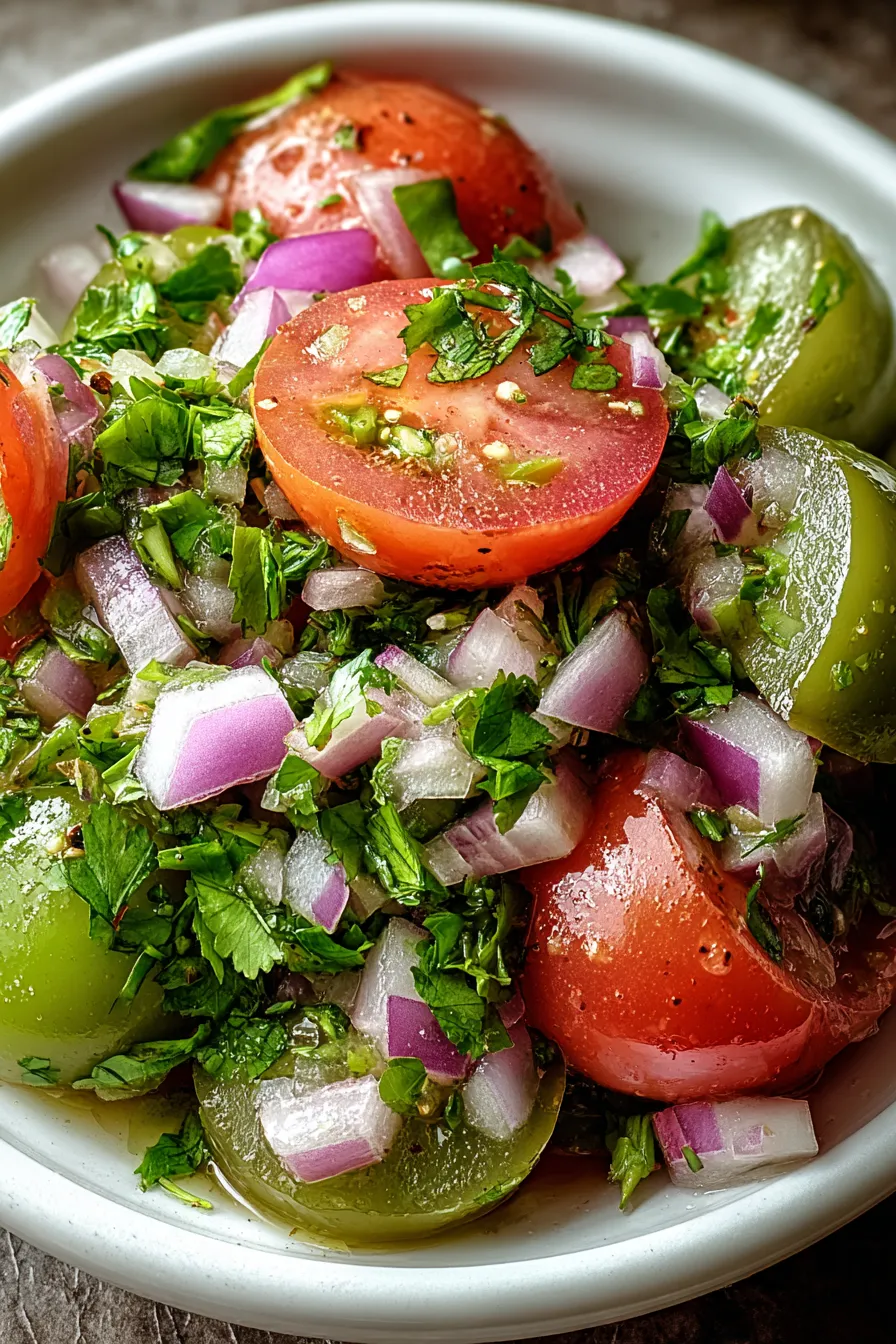
Green Tomato Salsa: The Best Way to Use Your Unripe Harvest
As the gardening season winds down, or perhaps even in its vibrant peak, many home growers find themselves with an abundance of green, unripe tomatoes. While the classic fried green tomatoes are a beloved tradition, there’s another incredibly versatile and utterly delicious way to transform these firm, tart gems into a culinary masterpiece: homemade green tomato salsa. Far from a mere alternative, this vibrant condiment offers a unique flavor profile that sets it apart from its red counterpart, making it the ultimate solution for utilizing your garden's unripened bounty. This isn't just about preventing waste; it's about unlocking a whole new dimension of fresh, bright, and zesty flavor. Imagine a salsa that perfectly balances tanginess with a subtle earthiness, capable of elevating everything from a simple chip to an elaborate meal. That's the magic of green tomato salsa.Why Green Tomato Salsa is a Garden Game-Changer
Many gardeners face the delightful dilemma of too many tomatoes. As summer progresses, sometimes the plants produce more than can ripen, or an early frost threatens to cut the season short. This is where green tomato salsa truly shines. Instead of watching those firm green spheres go to waste, you can transform them into a condiment that’s bursting with flavor and utility. Crucially, when we talk about green tomatoes for this salsa, we're referring specifically to *unripe red tomatoes* – those still firm and green in color. It's important to distinguish these from tomatillos, which are a different fruit altogether, encased in a papery husk. The unripe red tomatoes bring a distinct tartness and firm texture that creates a unique and refreshing salsa, quite unlike any other. This inherent tartness is what gives the salsa its signature brightness, making it a refreshing counterpoint to richer dishes.The Secret to Irresistible Flavor: Roasting Your Ingredients
The cornerstone of an exceptional green tomato salsa lies in the preparation of its core ingredients: the green tomatoes themselves, peppers, and garlic. While some recipes might call for fresh ingredients, the true depth of flavor in this salsa comes from a simple yet transformative step: roasting or broiling. This process not only softens the vegetables but also imparts a smoky char that adds incredible complexity and sweetness, deepening the earthy notes and mellowing the tartness of the green tomatoes.Prepping for Perfection
Before any heat is applied, a little prep work goes a long way.- Green Tomatoes: Select firm, unblemished green tomatoes. If they are large, quarter them; smaller ones can be left whole. There’s no need to remove seeds or stems at this stage, as their core purpose is to be softened and charred.
- Peppers: For the peppers (common choices include jalapeño or serrano, depending on your preferred heat level), the key is to remove the stems, seeds, and inner membranes. However, keep those seeds nearby! They are your secret weapon for controlling the heat later on.
- Garlic: Simply peel the garlic cloves. Whole cloves will roast beautifully, becoming sweet and nutty.
Broil to Brilliance
Once prepped, arrange your green tomatoes, peppers, and garlic on a baking sheet. Then, it's time for the broiler to work its magic.Place the baking sheet under a hot broiler for about 10 minutes. The goal here is to achieve a light char on all sides. Make sure to flip the ingredients halfway through to ensure even cooking and charring. You’re looking for a slightly blackened skin on the peppers and tomatoes, and a tender, golden-brown hue on the garlic. This charring is what develops those incredible roasted notes that elevate the salsa far beyond any store-bought variety. Always keep a close eye on the broiler, as things can go from perfectly charred to burnt very quickly!
Crafting Your Perfect Blend: From Charred to Zesty
Once your ingredients are beautifully charred and slightly cooled, the next step is to transform them into a cohesive and flavorful salsa. This is where the magic of a food processor or high-speed blender comes into play, bringing everything together with fresh, bright accents. Carefully transfer your roasted tomatoes, peppers, and garlic into your food processor or blender. This is also the stage where you introduce other key flavor components: fresh lime juice, vibrant cilantro, and a pinch of salt. These fresh additions provide a crucial balance to the smoky, roasted notes, lending the salsa its signature zest and aroma.Mastering the Heat
One of the most appealing aspects of homemade green tomato salsa is the ability to precisely control its spice level. The peppers you chose (jalapeño for a milder kick, serrano for more intense heat) are the foundation, but the real control comes from their seeds.To start, purée only half of the charred peppers (without their seeds if you prefer a very mild salsa) along with the other ingredients. Blend until you achieve your desired consistency – some prefer a chunkier salsa, while others favor a smoother texture. Then, taste! This initial taste test is crucial. If you desire more heat, gradually add more of the remaining charred peppers, or even a few of their reserved seeds, blending and tasting until you reach your ideal spice level. This incremental approach ensures you never accidentally make your salsa too hot.
Expert Tip: Remember that the heat from the pepper seeds can be quite potent. Start small and add more if needed. You can always add, but you can't take away!
Achieving Desired Consistency
Beyond the Chip: Versatile Ways to Enjoy Your Green Tomato Salsa
While a bowl of roasted green tomato salsa paired with homemade or store-bought tortilla chips is a classic indulgence, its versatility extends far beyond a simple dip. This vibrant, tangy condiment can elevate a myriad of dishes, transforming everyday meals into exciting culinary experiences. Consider these delicious applications:- Tacos and Taco Bowls: Dollop generously onto your favorite tacos – be they beef, chicken, fish, or vegetarian. The salsa's bright acidity cuts through rich fillings beautifully. It’s equally fantastic in taco bowls, adding a burst of fresh flavor to every spoonful.
- Nachos and Enchiladas: Take your nachos to the next level by drizzling or dolloping this green tomato salsa over them. It adds a fresh counterpoint to the cheese and other toppings. For enchiladas, it can serve as a zesty sauce or a vibrant garnish.
- Grilled Meats and Seafood: Spooned over grilled chicken, fish, or pork, the salsa acts as a flavorful finishing sauce, adding moisture and a tangy kick. It’s particularly good with white fish or shrimp.
- Eggs: Brighten up your breakfast or brunch by adding a dollop to scrambled eggs, omelets, or huevos rancheros.
- Salads and Grains: Use it as a vibrant dressing for a hearty grain bowl or a simple green salad, offering a refreshing alternative to traditional vinaigrettes.
- Sandwiches and Wraps: Spread a thin layer on sandwiches or wraps for an extra layer of flavor and moisture.
Storage and Preservation Tips for Your Homemade Salsa
Once you’ve crafted your perfect batch of green tomato salsa, you'll want to ensure it lasts so you can enjoy its fresh flavors for as long as possible.For immediate enjoyment, allow the salsa to cool completely before transferring it to an airtight container. Stored in the refrigerator, homemade green tomato salsa typically stays fresh for 5-7 days. The flavors often meld and deepen slightly over time, making it even more delicious the day after it's made.
If you've made a particularly large batch or wish to extend its life, green tomato salsa can also be frozen. Portion it into freezer-safe bags or containers, leaving a little headspace for expansion. It will maintain its quality for up to 3-4 months. When ready to use, simply thaw in the refrigerator. While the texture might be slightly softer after freezing and thawing, the vibrant flavor will still be largely intact.
For long-term preservation, especially for those with a truly abundant harvest, this salsa can also be adapted into a canning green salsa recipe. However, canning requires specific safety protocols and tested recipes to ensure food safety. If you're interested in canning, always refer to reputable canning guides for proper acidification and processing times to ensure shelf-stable results.
